

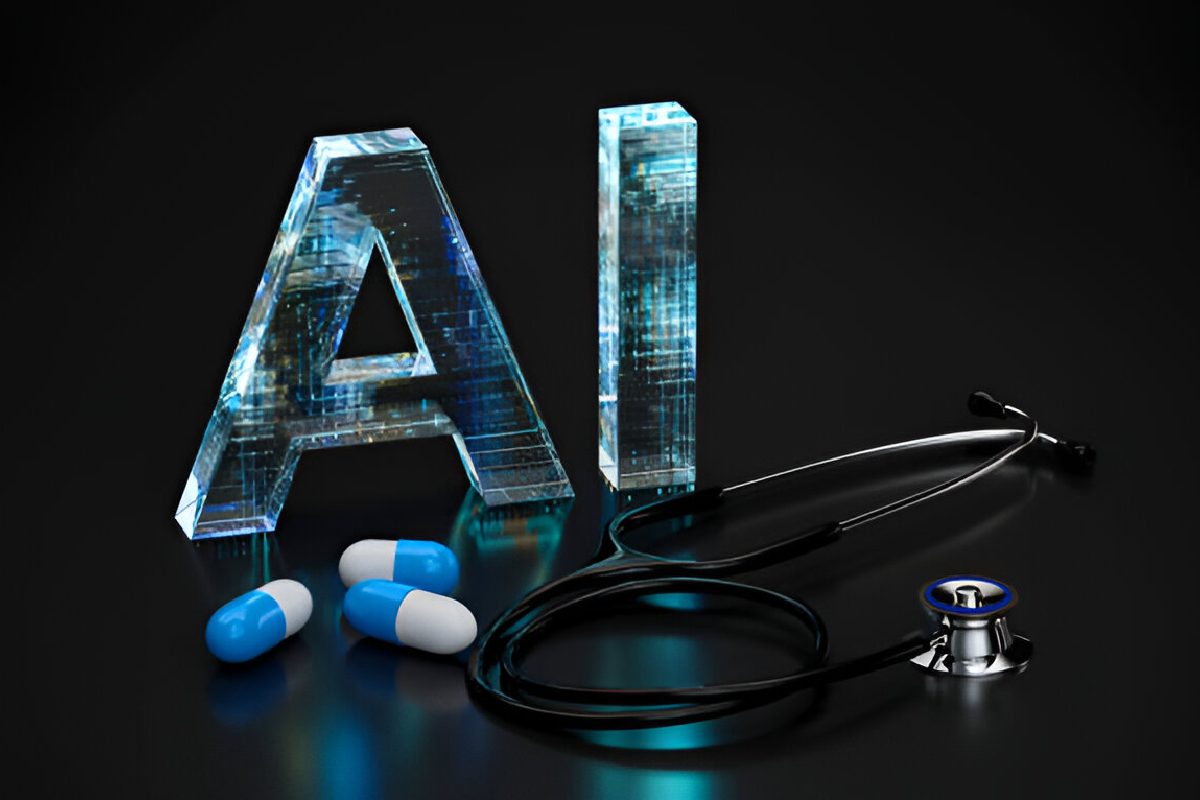
Artificial intelligence (AI) has already brought a lot of changes into many spheres these few years, and health care is among them. From diagnostics improvements to treatment planning personalization, it became a driving force for all the latest innovations in medicine. The most amazing thing is how accessible not only treatments but also different tools for enhancing communication with patients became: AI image generators and other things alike.
Table of Contents
The Role of AI in Health
It applications in the health sector range from large-scale data analysis for predictive analytics in outbreaks to improving diagnostic studies and even assisting surgeons in robot-assisted surgeries. Their machine learning algorithms will construct a tailor-made treatment regime by considering patient history, lifestyle habits, and genetic knowledge for efficient and effective healthcare services. As healthcare becomes increasingly digital, patients may also interact with different online health services and portals, such as My Wake Health login, to access information and manage aspects of their care.
AI can also help healthcare professionals process large amounts of medical information in less time. Electronic health records, laboratory results, medical images, and patient histories can contain valuable information that may be difficult to review manually. AI systems can organize and analyze this information to identify patterns that may support clinical decision-making.
Another important area is early detection. AI-based systems can assist doctors in examining medical images such as X-rays, CT scans, and MRI images. While these systems are not a replacement for qualified medical professionals, they can provide additional information that may help healthcare teams investigate potential abnormalities.
AI is also becoming useful in patient monitoring. Wearable devices and remote monitoring technologies can collect information such as heart rate, activity levels, sleep patterns, and other health measurements. When combined with AI, this information can help identify changes that may require further attention.
AI Image Generators Improve Education
The healthcare provider has to simplify the complex explanation of some other medical concept. Visual aids are a must in this regard, and that is where AI image generators score. A platform offering the best free AI image generator allows health professionals to create precise, eye-catching medical illustrations and diagrams. These images will not only educate patients but also enable them to make informed decisions about their health.
For example, AI-generated 3D visuals can illustrate how surgical procedures may be performed, anatomy, or the result of lifestyle changes; this allows for improved doctor-patient relationships. These tools will also aid in the training of medical students with detailed visual teaching aids. The integration of such tools as an AI image generator into the everyday routine guarantees that the healthcare not only moves but also becomes more inclusive and patient-oriented.
AI and Personalized Patient Care
Personalized healthcare is another area where AI can make a significant difference. Every patient has different medical needs, lifestyle factors, and treatment responses. AI can help healthcare teams analyze these factors and provide information that supports more individualized care plans.
AI-powered tools can also improve communication between patients and healthcare providers. For example, virtual assistants can help patients find general health information, understand appointment instructions, or receive reminders about medications and follow-up visits. This can make healthcare services more convenient, particularly for patients who have difficulty accessing medical facilities regularly. Digital patient portals, such as Kettering Health MyChart, are another example of how technology can make health information more accessible to patients.
Challenges of AI in Healthcare
Despite its benefits, AI in healthcare also comes with important challenges. Patient privacy and data security are major concerns because healthcare systems handle highly sensitive information. AI tools must also be carefully evaluated to ensure that their results are reliable and do not introduce unfair biases.
Human oversight remains essential. AI can support doctors, nurses, researchers, and other healthcare professionals, but important medical decisions should involve qualified professionals who can consider the complete clinical situation. Transparency, responsible data use, and proper testing will therefore be important as AI becomes more common in healthcare. Healthcare technology can also support specialized services and accessibility, including assistive listening devices that help people communicate more effectively in different healthcare environments.
Healthcare organizations are also increasingly using digital systems to manage information and coordinate services. For example, platforms such as HH Kantime Health Net demonstrate how online healthcare technologies can support access to health-related services and information.
For more information about the opportunities and challenges of artificial intelligence in healthcare, the World Health Organization provides guidance and resources on AI and health.
Final Thoughts
The fusion of technology and medicine thus promises a beguiling future. From the best free AI image generator down to more advanced diagnostic tools, it has been setting new benchmarks in healthcare delivery. Embracing such innovation ensures a healthier tomorrow where medical care will not only be efficient but more compassionate, too.